
Lets talk sensory.
As children develop, they need to touch, feel, taste, hear, smell, see all of the things. Their nervous systems need to learn how to process and organize this information through exposure in daily activities. Here are some activities that you can easily integrate throughout their day in order for them to explore various sensory experiences:
Water Play

Play Sink! Ah! So cute. This allows children to explore water play, learn the concept of on/off when turning water on, life skills such as washing dishes, and pretend play!
Find this cute kitchen sink here (comes with 20 pieces)!

Water beads! Kids are obsessed with these. They are wonderful for exploring slippery textures and more water play. You can make this educational by asking them to sort the different colors in color-coded containers. These are great for visual skills as they scan for particular colors. You can find these here!
Bubbles

Bubble gloves are wonderful for feeling different textures (wet, slippery), and is great for visually tracking where the bubbles go. It is also great for working those little arms getting them to move in all different directions!
Find these bubbles here!

Bubble Wand! Another great bubble option that also works on coordination of their upper body while they move the wand. Find it here!
Busy Boards/Toys

This buckle pillow is also great for fine motor development as children practice learning practical daily skills needed for dressing or even for play (such as riding small bikes that require buckles). This is great for tactile (touch) exploration! Find this awesome pillow here!

Customizable wooden puzzle busy board! You can get this in various colors and can add your child’s name on it. It is the same concept as the pillow – touch, explore, and feel various things! Find it here!
Art/Crafts
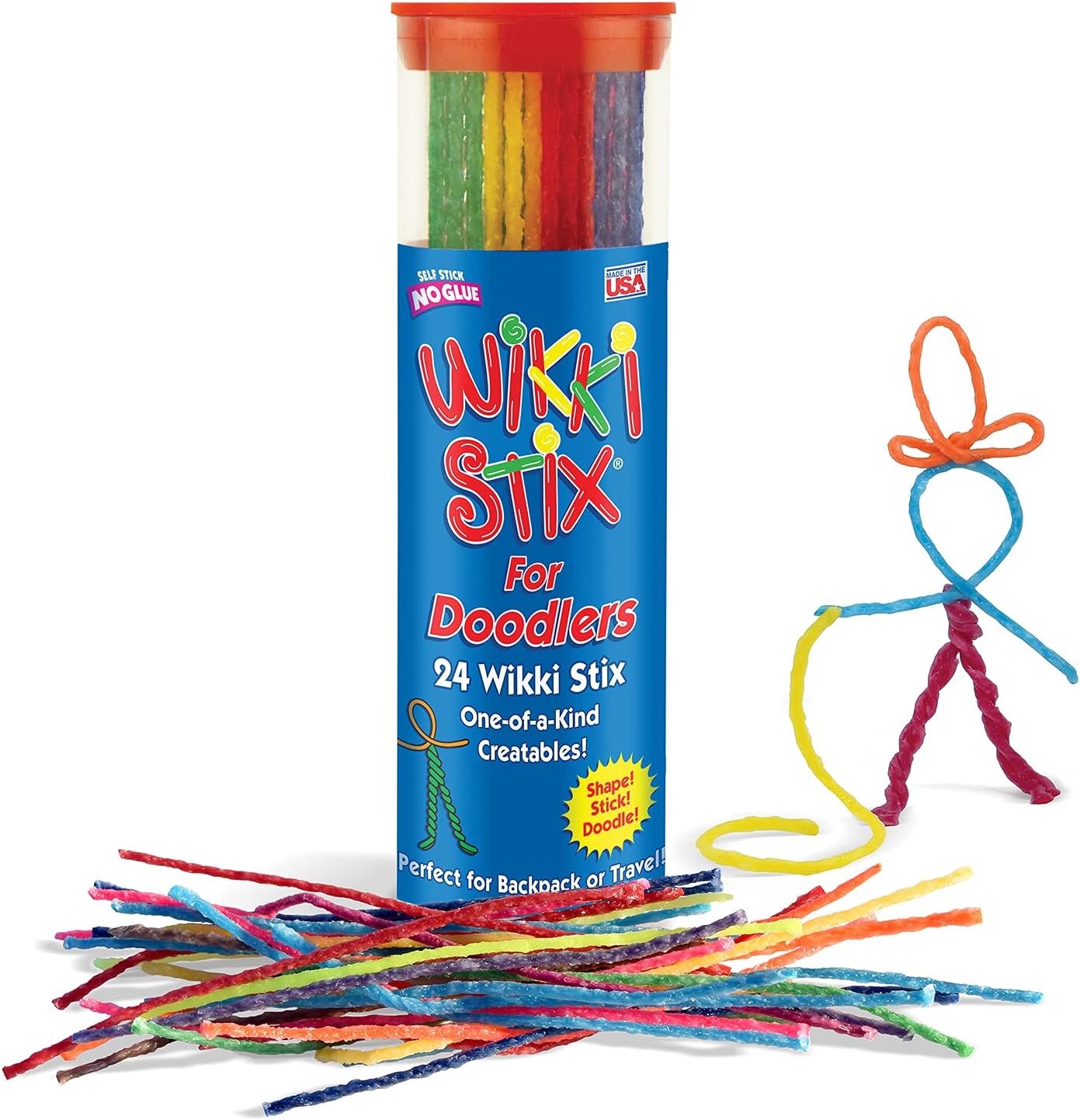
Wikki Stix are so under-rated. They have a waxy texture to them which is great for exploring this texture or things that are sticky. These are great for crafts, and I often use them when teaching handwriting. You can model letters of the alphabet and practice making them with the Wikki Stix together. These are multi-purpose and reusable which are great! Find them here!
Recommended for Ages 3+

Chalk! Of course I had to include chalk. Chalk has a very unique texture with its powdery texture. I remember as a kid (okay, still do..) making “pixie dust” with the chalk. Chalk is great for pre-handwriting skills as well. Being outside in general is one of the best sensory experiences you can have. Let the kids explore barefoot with their hands in the mud, sand, grass, mulch, you name it. Watch them discover new things for the first time.
Find this particular chalk here!

Clay! Another unique texture to explore. Also great for strengthening those little hands and using their visual skills to replicate making a dinosaur. Find this here!

Slime. Yes, I said it. Before you shut this one down.. consider playing with it outside if you’re scared the house will turn into a gooey mess. Use newspaper to place on top of tables. Put an old t-shirt on your child that is okay getting dirty, and make sure their hair is out of their face (maybe even put a hat on them if they are willing to avoid getting in their hair!). What I LOVE about these is that they are scented! Allow your child to explore the texture of slime and their smell of different scents. Find this slime pack here!
Recommended for ages 3+. Supervision is always recommended with these types of products.

Kinetic sand! Another wonderful thing to explore. This is also great for pretend play. What I love about this is that is is very easy to cleanup! For easier cleanup: buy a cheap tray or clear container from Dollar Tree, and allow them to play with it in a container so it is harder for them to get everywhere! Find this here!
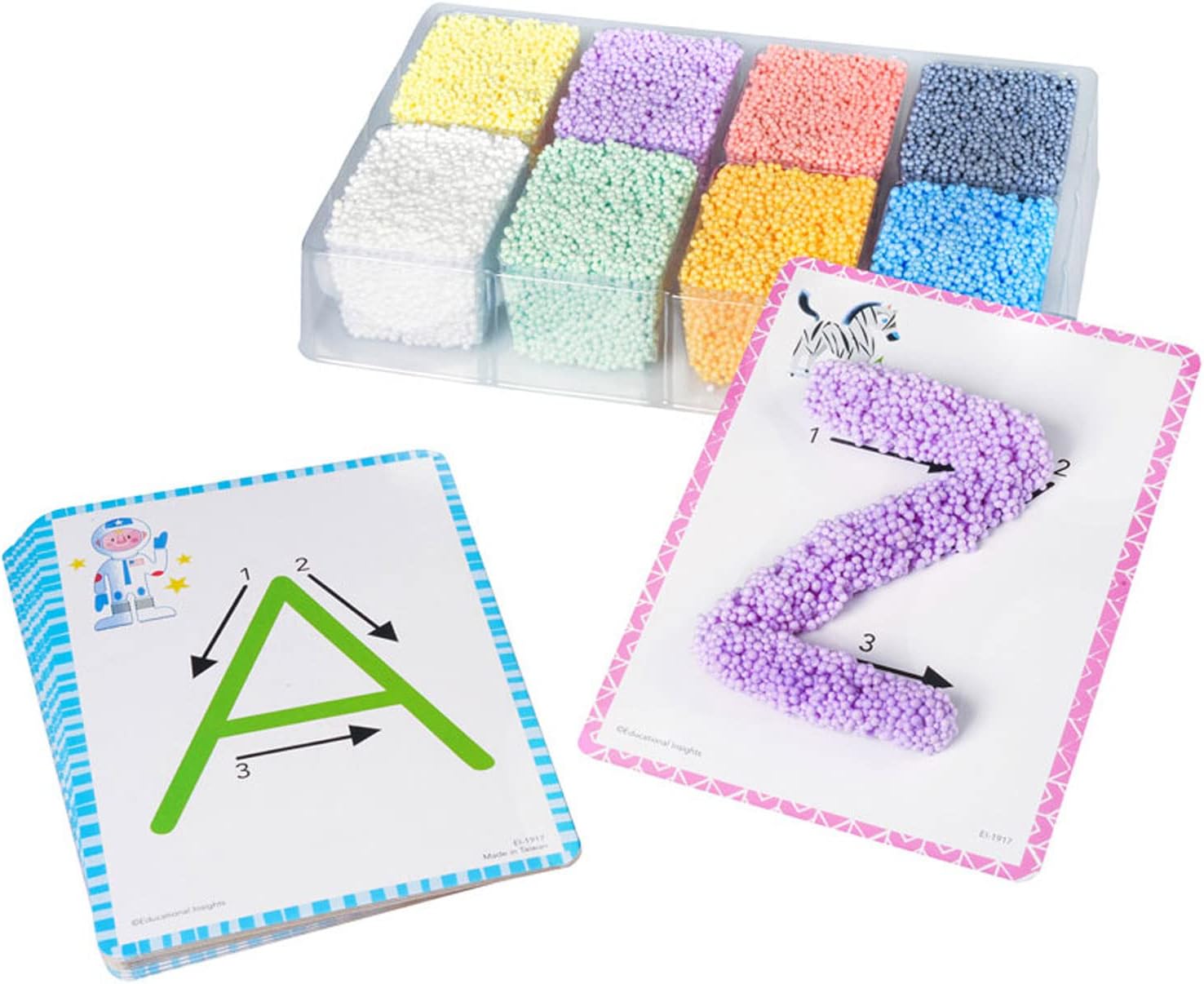
Playfoam! Everything about this is a YES. Explore the texture of foam, work on the correct sequence to learning how to form letters (this is SO IMPORTANT!) As a school-based occupational therapist, I utilize multi-sensory strategies to teach children letter formation every single day! Find this here!

Play-doh, but make it functional. I know this is another item that you might be hesitant to buy. But let me explain. Play-doh is such an easy, cheap item that works on so many crucial aspects of development. Exploring texture, smell, hand strengthening, finger strengthening, creative and imaginative play, and so much more. What I love about play-doh are sets like these. This one is particularly amazing if you have a kiddo that struggles with haircuts. Teach them, through play, the experience of getting a hair cut. What that looks like. What tools they use. How long it takes. How it can be fun. There are so many ways this activity can be fun and relate to daily life! Find this set here!
**Play-doh cleaning tip: play with it outside, keep it in a confined container, and if it does get on the floor inside…. it is the perfect time to teach your child the importance of cleaning up and what reward it can bring. I like to say.. “Let’s clean up our area, it’s messy. That way when we play next time, it will already be squeaky clean and our toys won’t get messy!” Always model cleaning and make it a fun experience, but also teach them the importance of a clean space.
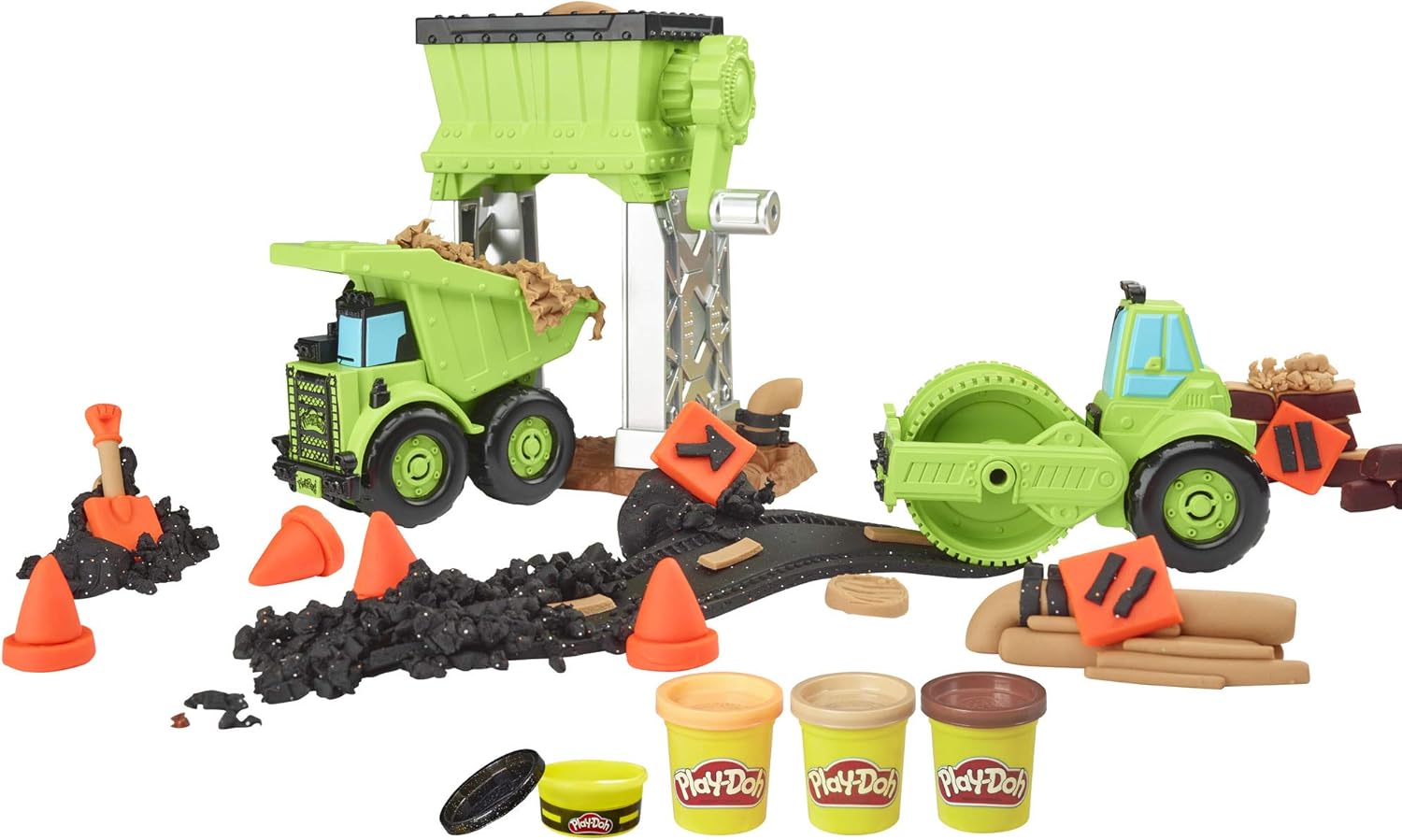
Not interested in the hair play-doh set? This one is always a winner. When I used to nanny for 3 boys at once (2, 5, 7 years old), they all LOVED this one. Find it here!
Vestibular movement
Vestibular movement is the sensation of any change in direction, position, or movement of the head. This allows your child to process and organize the skills needed for the development of balance, equilibrium, coordination of both sides of the body, and muscle tone. Through play, children gain these these skills. Vestibular activities can include riding a bike, going down a slide, jumping on a trampoline, rocking chairs, roller skating, any movement-based activity where children are required to utilize their vestibular system. Here are some fun items that are great for vestibular input:

Wiggle Car! What I love about these, is that it requires children to coordinate the movement with their arms, and not their legs. This is great for coordination of both arms, balancing, educational learning on safety within an environment (teach them about speed, how to slow down, what happens if you run into something, recognizing when to slow down, and more!). Find this here!
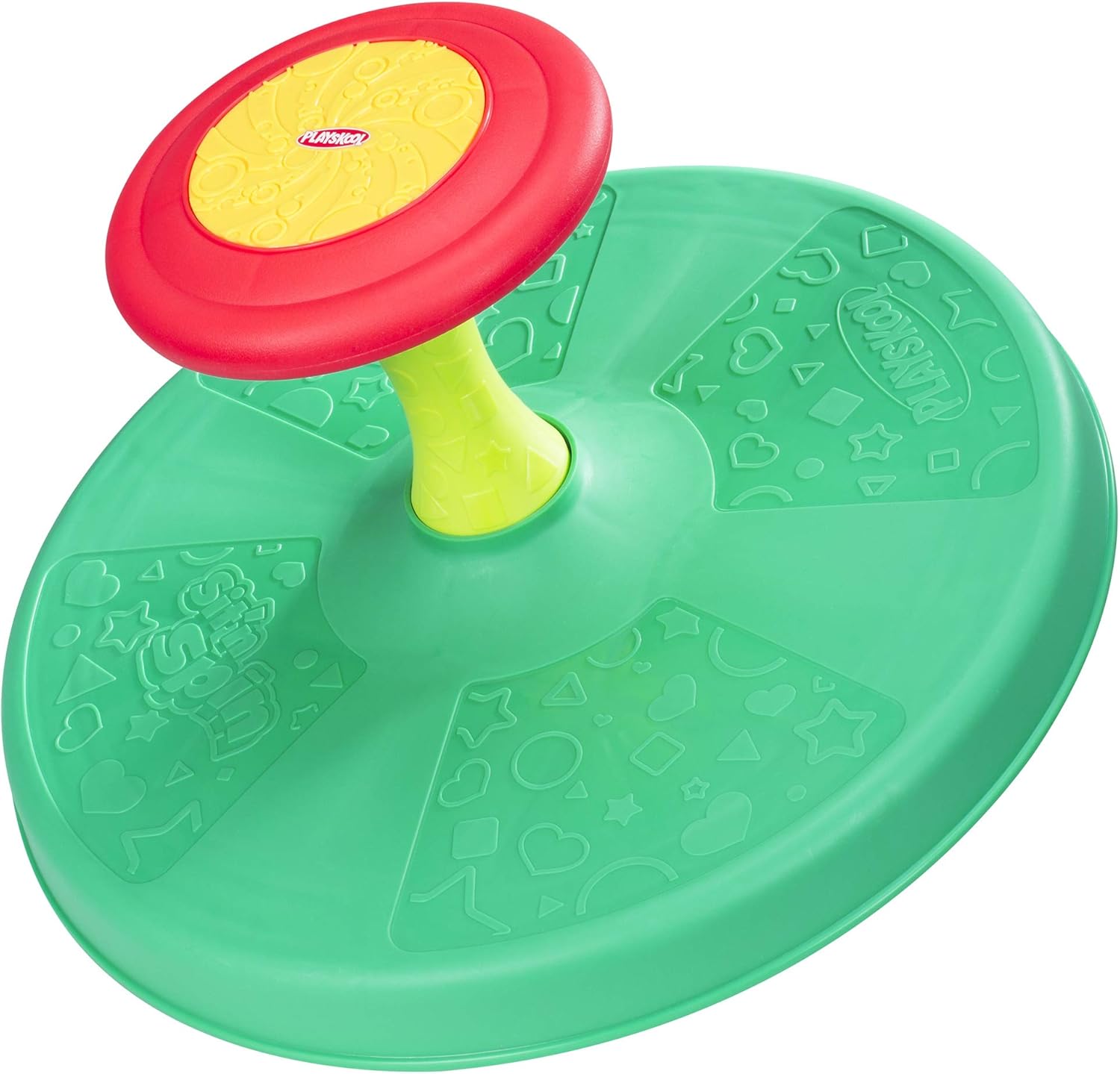
Sit’n Spin! These will never go out of style, and for good reason! This works on balance, core control, coordination of both arms, and strength! This is great to have indoors on rainy or cold days and your child needs to get those wiggles out! Find this here!

Obstacle Course Steps! Great for developing balance, coordination, gaining confidence, and even imaginative play (hello, the floor is lava!). I love that these are non-slip so they have an extra safety measure in place. I have worked with a few kids who have these in their home and the possibilities with these are endless! Find these here!

Pogo Jumper! Another great toy to work on balance, strength, coordination, and hand-eye coordination. This toy is also great for teaching awareness of surroundings and safety. Find this here!
**(Educational idea: Quiz your kids! Ask them “Is it safe to jump on this in a messy play room, or a clean play room? Should you jump on this over rocks, or on a flat floor away from things?” “Should you jump on this very close to people?”) Teaching kids about safety, body awareness, and space are also great to work on with this!
Sensory Exploration Books

Recommended ages: Birth – 3
Find it here!

Love this one! Mealtime requires a lot of skills – and for some children, it can be very overwhelming and stressful! This book is great for learning about mealtime, exploring different textures (remember, foods and mealtime objects have many different textures!) Recommended ages: 0-6. Find it here!

Poke-A-Dot books are always a huge hit! (And of course, work on many skills such as finger isolation popping the dots, auditory input hearing the pop, and is educational in general as kids learn their ABC’s and discover dinosaurs!). Recommended age: 3-6 years. However, dinosaur names can be tough. This is great even after 6 years of age. Find this one here!

Not a fan of dinosaurs? Try this underwater version! Find it here!

I absolutely love this book! Did you know that a newborn can only see 8-10 inches away when first born? They are very nearsighted. At 3 months, they can see approximately 8-15 inches away very clearly. Books that contain high contrast, that are positioned closer to them will allow for optimal visual exploration. The high-contrast of black/white makes it easier for them to see. I love this book because as they develop, the visual demands increase and they can also explore touch and gain fine motor skills. This book is an all around win-win for the new mommies/daddies! Find it here!
I hope this post gave you some holiday inspiration for gifts that will benefit your child in more way than one! If you have any questions, leave a comment below.
Leave a Reply